Guides
Straight answers
The questions soap makers and bar soap lovers ask us most, answered in plain words.
Making soap
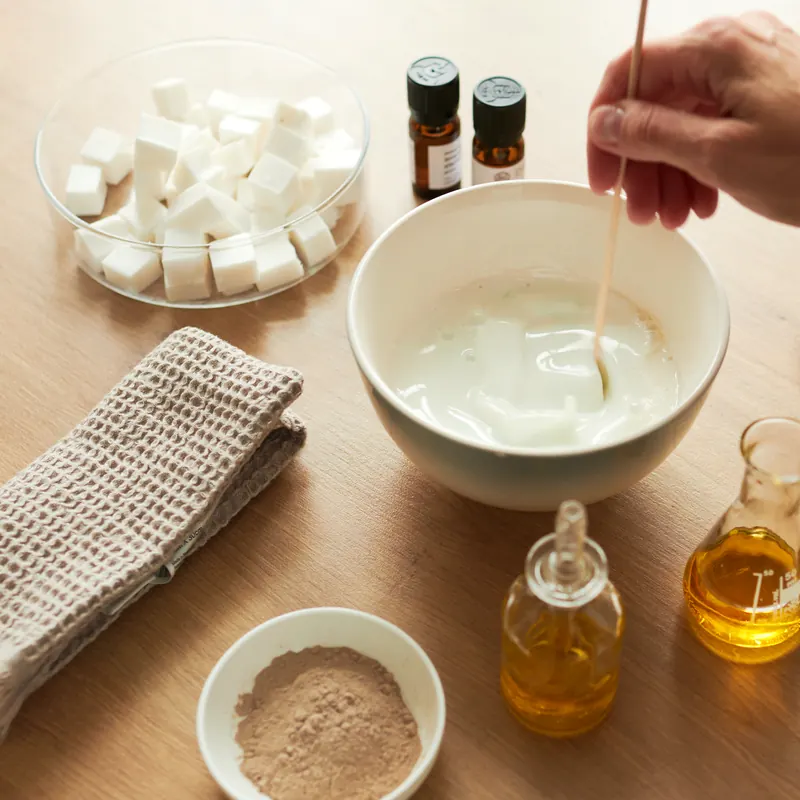 Is melt and pour real soap?Yes. Melt and pour base is real soap: oils that were turned into soap with lye before the base reached you. Extra glycerin and sorbitol let it melt and set again, so you skip handling lye and waiting for a cure. You still choose the colour, scent, shape and add-ins, and the bars are ready in about 4 hours.Read the answer
 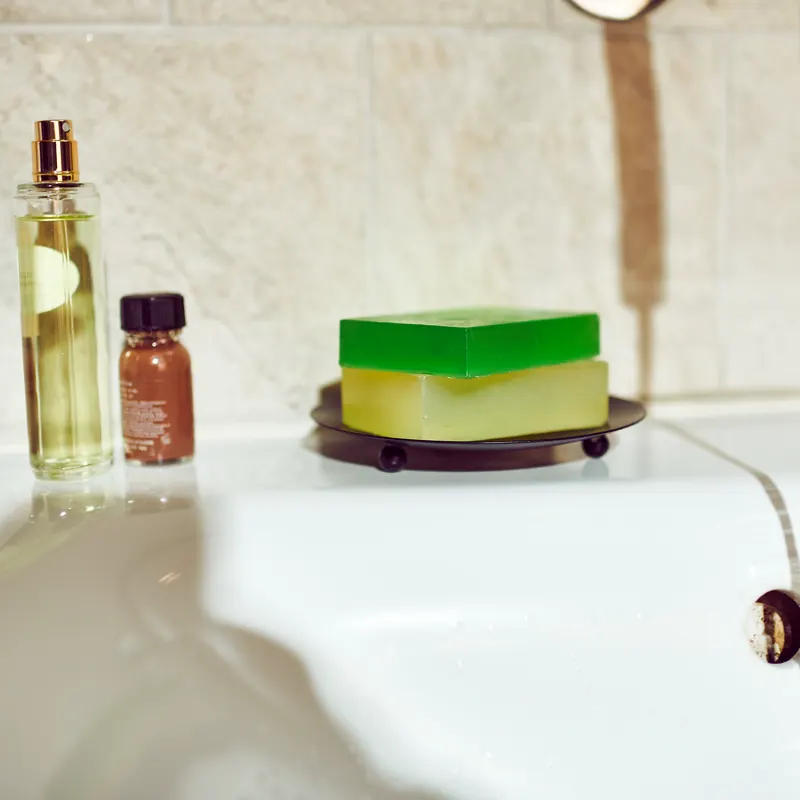 Why does melt and pour soap sweat, and how do I stop it?Melt and pour soap "sweats" because it's rich in glycerin, which pulls moisture out of the air. The droplets, called glycerin dew, are harmless and don't mean the soap has gone bad. Wrap each bar airtight as soon as it has set, store it somewhere cool and dry, and the beads won't come back.Read the answer
 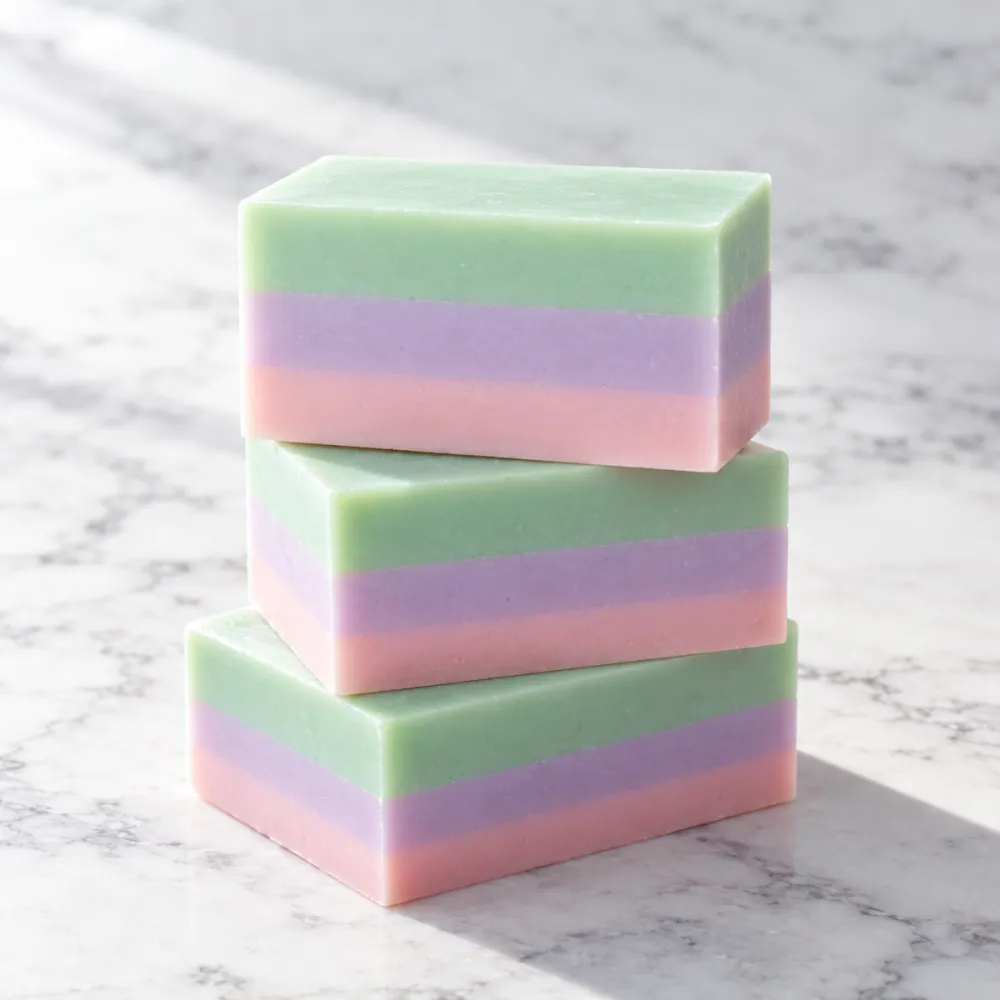 Melt and pour troubleshooting: bubbles, wrinkles, cloudiness and separating layersMost melt and pour problems come down to temperature and timing. Melt in short bursts without boiling, add colour and scent at about 125°F, spritz rubbing alcohol on every surface you pour onto, and leave the mould still until the soap has set. That alone fixes bubbles, wrinkles and layers that split apart.Read the answer
 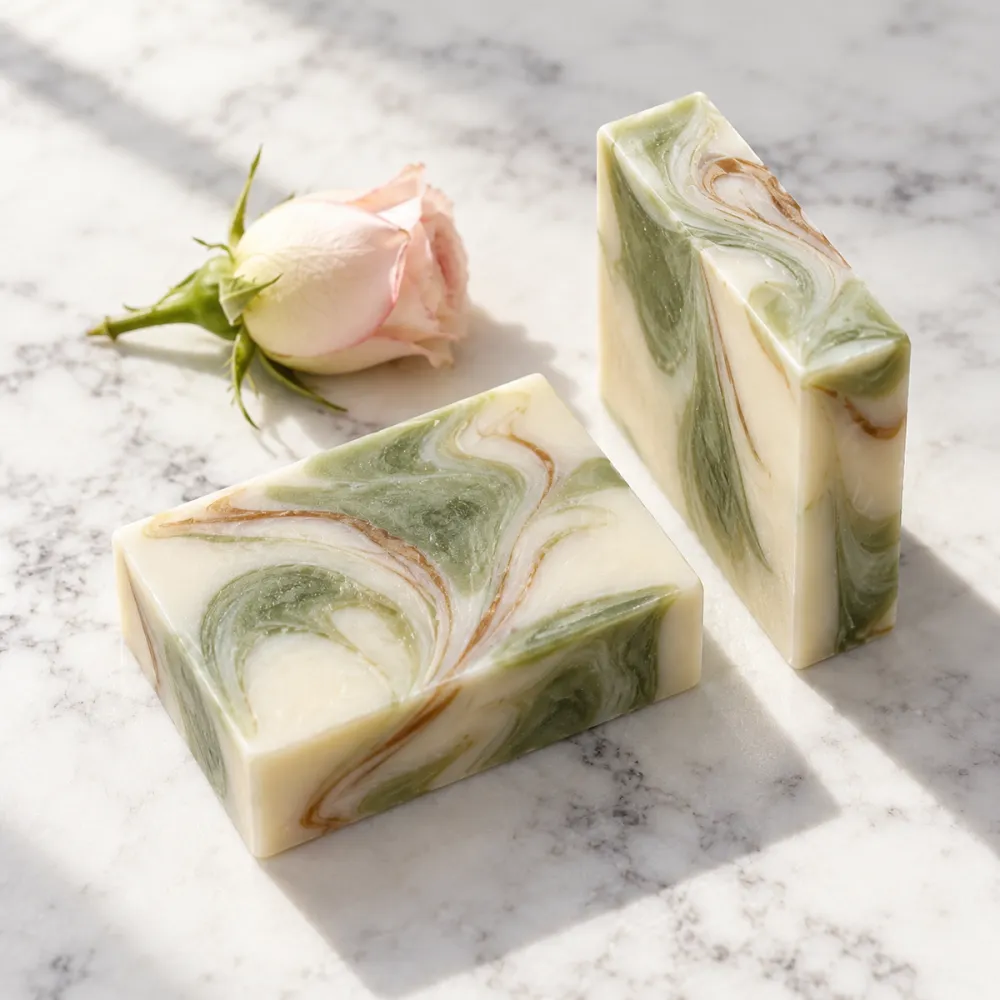 How do I colour melt and pour soap?Use colourants made for soap: mica powders, oxides, or liquid soap dyes and colour blocks. Mix mica with a few drops of rubbing alcohol before adding it, so it doesn't clump. Micas and oxides stay put between layers; liquid dyes can bleed. Skip food colouring and candle dye: they fade, stain washcloths or aren't made for skin.Read the answer
 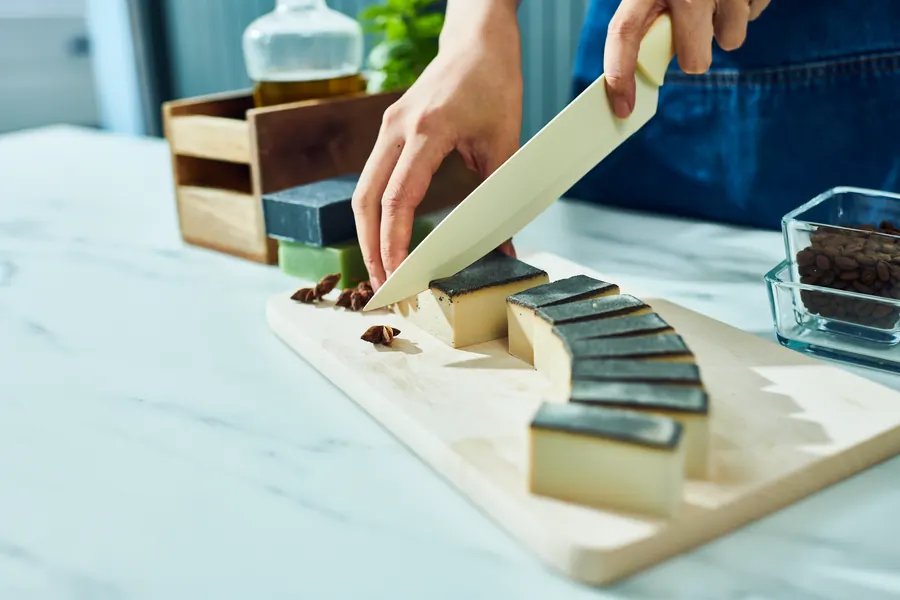 How many bars of soap does a pound of soap base make?One pound of melt and pour base makes about four and a half 3.5 oz (100 g) bars. That's 9 bars from a 2 lb tub, 23 from a 5 lb tub and 46 from a 10 lb tub. Smaller 3 oz bars stretch it to about 5 per pound; larger 4 oz bars make 4.Read the answer
 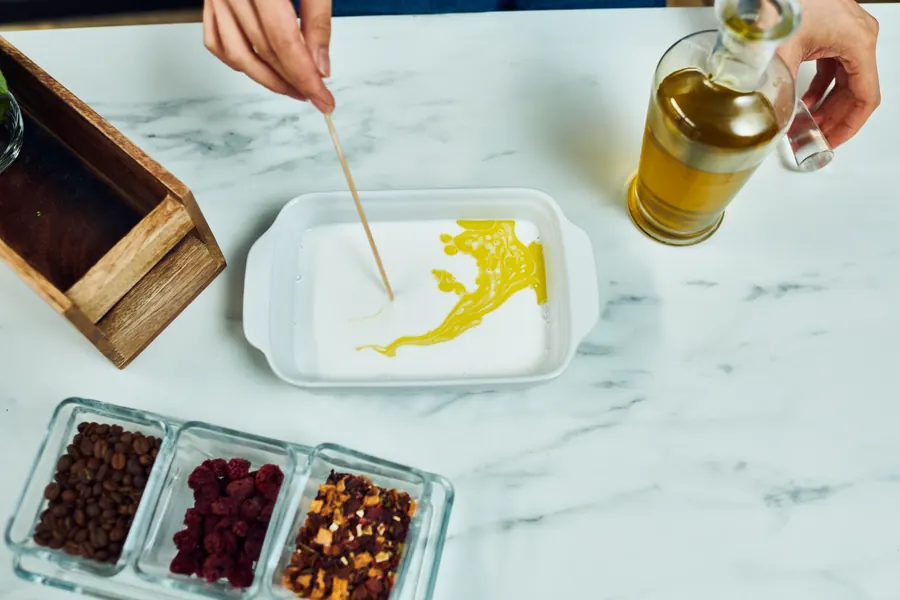 How much fragrance or essential oil should I add to melt and pour soap?About 0.5 oz of fragrance oil per pound of melt and pour base, roughly 3%, gives a well-scented bar: that's what our recipe book uses. Essential oils go in lighter, from about 20 drops to 0.3 oz per pound, depending on the oil. Stir scent in once the base has cooled to 125°F, and never go over the supplier's maximum for that oil.Read the answer
 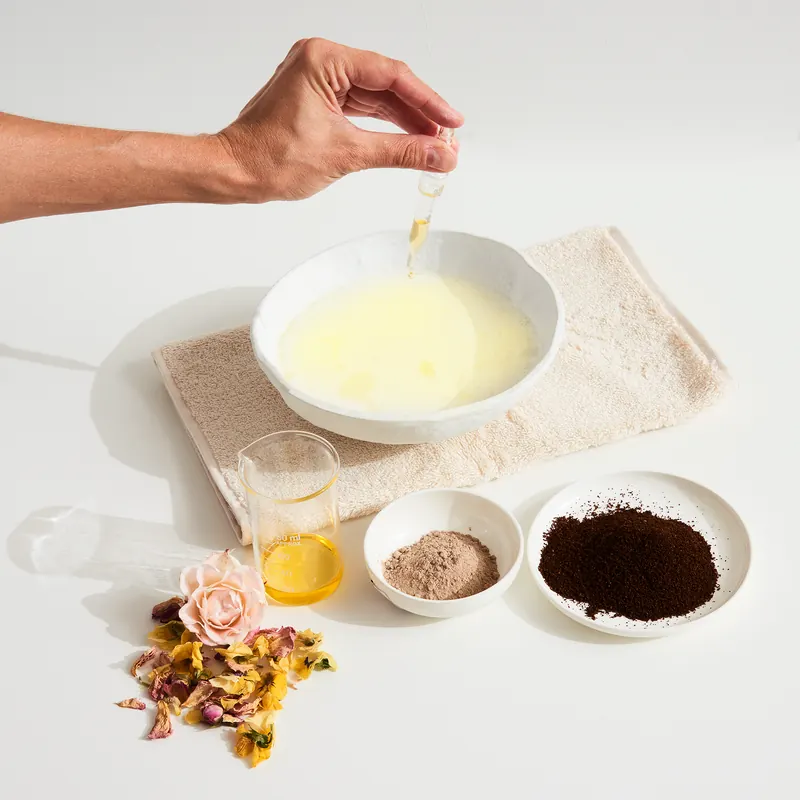 What can I add to melt and pour soap?Melt and pour base takes small amounts of oils, butters, honey, clays, dried flowers and scrubs. A good rule from our recipe book: about 1 tablespoon of oil, butter or honey per pound of base, a teaspoon or two of clay or charcoal, and a tablespoon or two of dried botanicals. Leave out water, fresh milk and fresh aloe gel.Read the answer
Bar soap
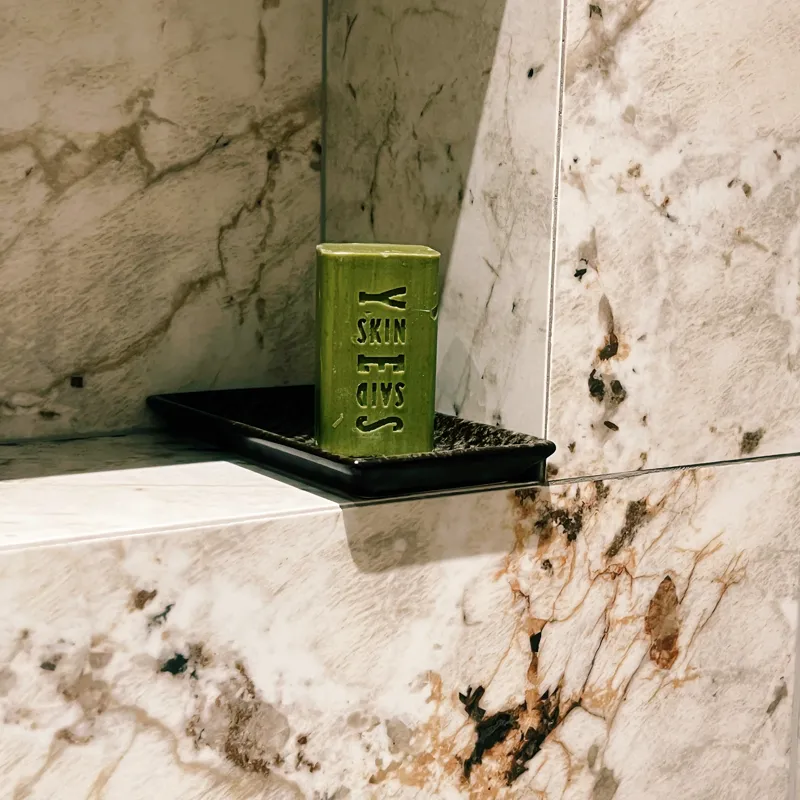 How do I make a bar of soap last longer?Keep the bar dry between uses. A bar sitting in water softens and washes away; a bar that dries out on a draining dish, away from the shower spray, lasts far longer. Lather a washcloth instead of rubbing the bar on your skin, and choose hard, triple-milled bars, which hold less water and soften more slowly.Read the answer
 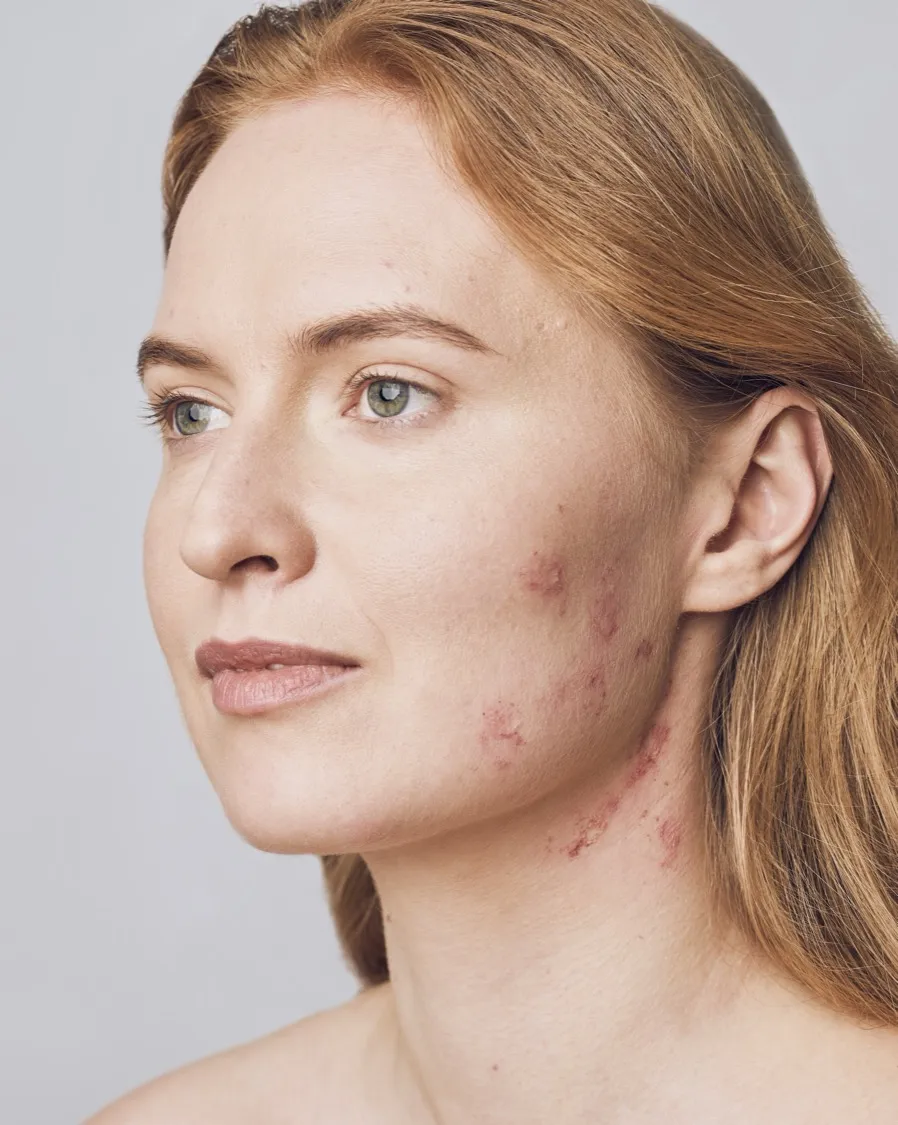 What's the best soap for eczema-prone skin?One with almost nothing in it. Eczema-prone skin flares when soap strips its oils or loads it with fragrance and harsh detergents. Our Olive Oil Soap has four ingredients: olive oil soap, water, sea salt and citric acid. No added fragrance, no sulfates, no palm. Dermatologically tested, made in Greece.Read the answer