Making soap guide
What can kids learn from making melt and pour soap at home?
Short answer
Melt and pour soap is one of the easiest hands-on projects for a homeschool day. The base is already soap, so there's no lye to handle: an adult melts it, and kids colour, scent and pour. One afternoon covers real chemistry, measuring, temperature and design, and the bars are ready to use about 4 hours later.
Why melt and pour works for a homeschool day
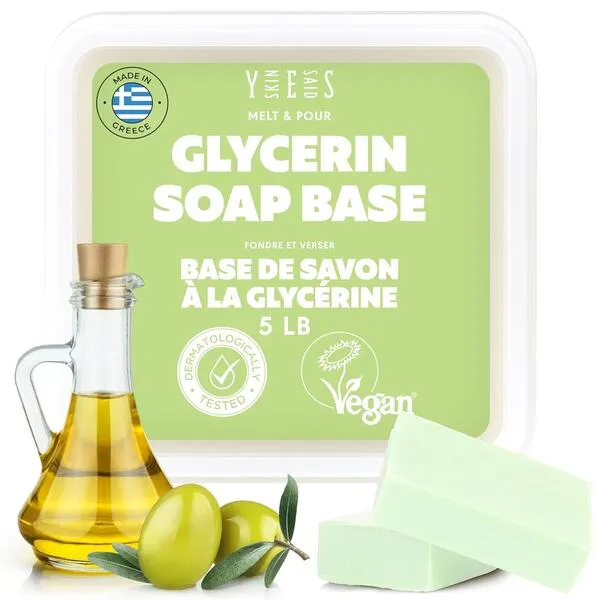
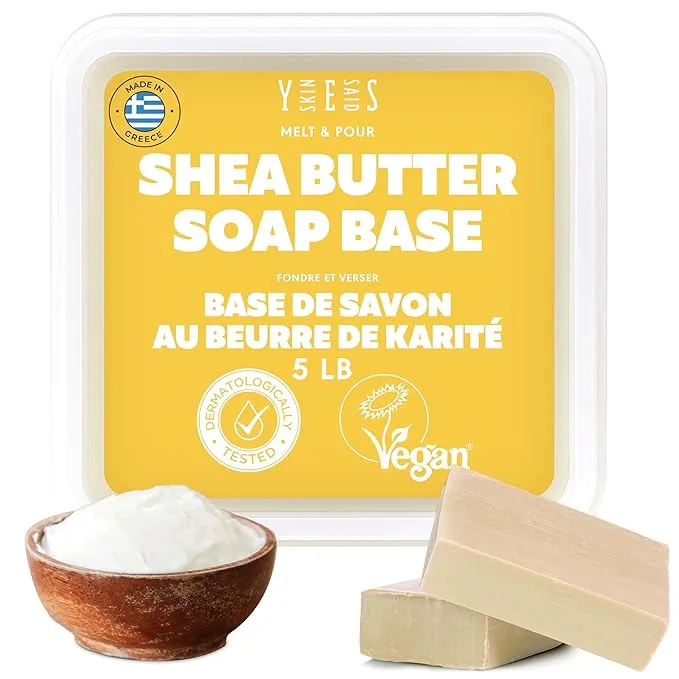
Making soap from scratch means working with lye (sodium hydroxide), which burns skin and eyes, needs goggles and gloves, and leaves bars that cure for 4 to 6 weeks. Melt and pour skips all of that. The oils were turned into soap before the base reached you, and extra glycerin lets it melt and set again, so what's left for kids is the hands-on part, with a result the same day.
It also fits any group size. A 2 lb tub makes 9 bars of 3.5 oz, enough for two or three children to make a few bars each. A co-op of ten children making two bars each needs a 5 lb tub, which makes 23.
The science behind it
Every step has a real reason behind it, which turns a craft into a lesson.
- What soap is: oils plus an alkali make soap and glycerin. This chemical reaction, saponification, happened at the factory and can't be undone.
- How soap cleans: one end of each soap molecule holds on to water and the other to oil and grease, so rinsing carries the grease away.
- Physical and chemical change: melting the base and letting it set is a physical change. The same bar can be melted again and again, but soap can't be turned back into oil.
- Heat and temperature: the base has to melt without boiling, then cool to 125°F (52°C) before scent and colour go in. Writing down the temperature every minute gives a cooling curve to graph.
- Density: a mould cavity that holds 3.3 oz of water makes a bar of about 3.5 oz, because soap is slightly heavier than water.
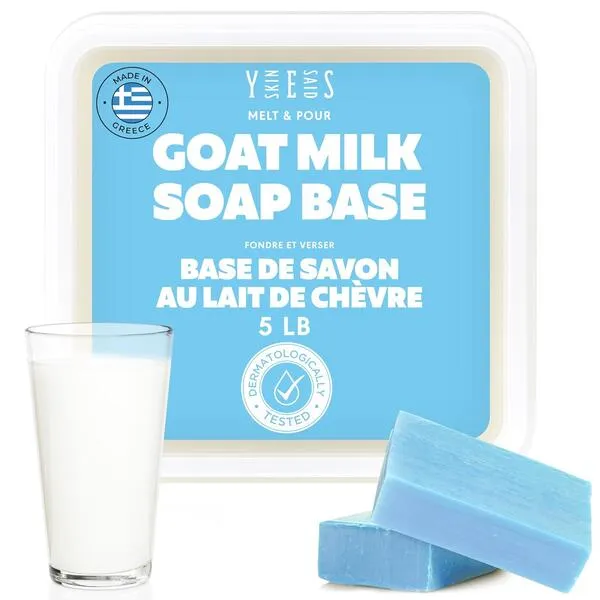
- Light and colour: the same colourant looks bright and see-through in a clear glycerin base, and soft and pastel in a creamy goat milk base.
The math they practise
Soap making is measuring with a reason, and a wrong number shows up in the bar.
- Weighing: ounces and pounds on a kitchen scale, 16 oz to the pound.
- Division: how many 3.5 oz bars from a 2 lb tub? 32 ÷ 3.5 is just over 9.
- Ratios: fragrance oil goes in at 0.5 oz per pound of base, so 2 lb takes 1 oz and half a pound takes a quarter ounce.
- Unit conversion: 125°F is 52°C.
- Money, for older kids: if a tub costs $20 and makes 9 bars, each bar costs about $2.22 before scent and colour.
Art, design and a little history
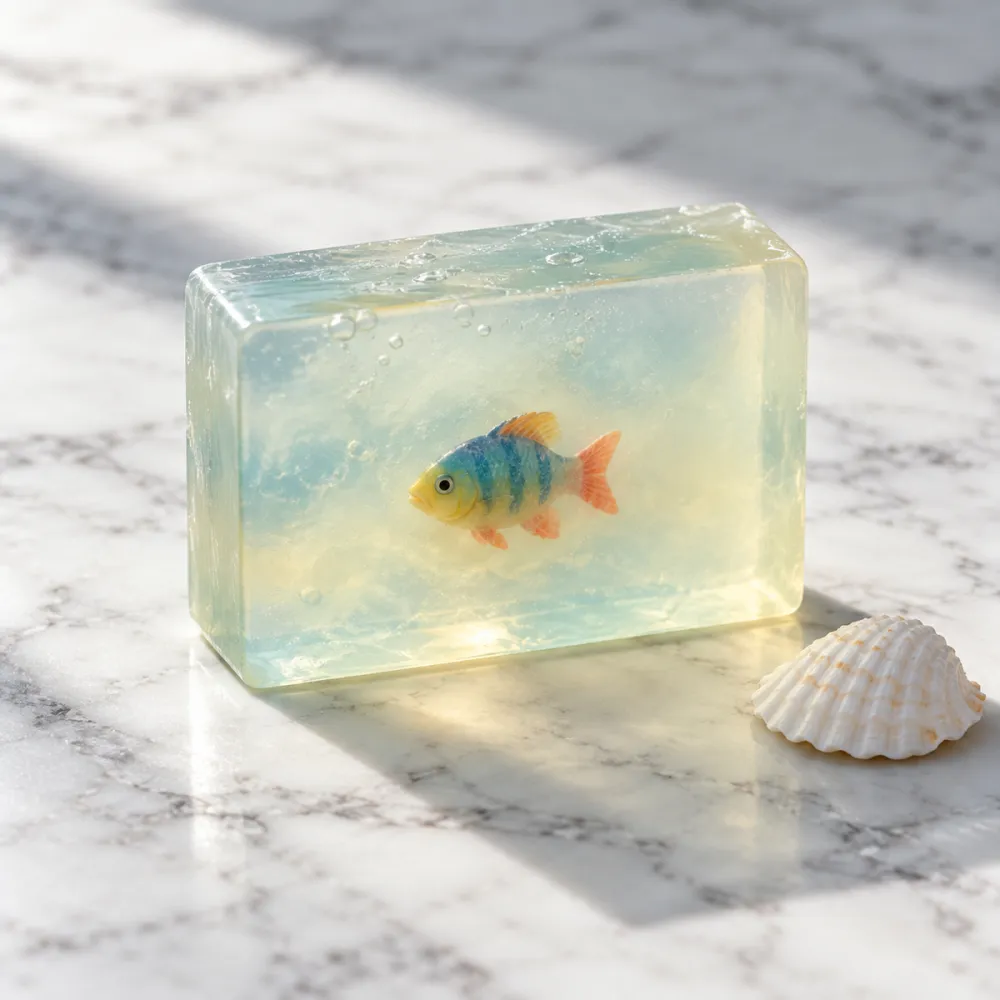
Once the basics work, design is where kids take over. Pour two colours in layers, set a small toy inside a clear glycerin bar, or press dried flowers or oats into the top.
Soap also makes a good history thread. Some of the oldest known soap recipes, on clay tablets from ancient Mesopotamia, mixed oils with an alkali. Olive oil soap has a long tradition around the Mediterranean: Castile in Spain, Marseille in France, Aleppo in Syria, and Greece, where our bases are made.
Who does what, by age
A rule of thumb: the adult always handles the hot base, and children take on more of the measuring as they grow.
- Ages 3 to 7: they choose the colours, place the toy or flowers in the mould, and push the finished bars out.
- Ages 8 to 11: they weigh the base, read the thermometer, keep the temperature log and stir in colour while an adult holds the bowl.
- Ages 12 and up: they run a batch with an adult nearby. They plan it, scale the recipe, work out the cost per bar and write a label from the base's ingredient list.
One afternoon, start to finish
Set up before you start, so the children's time goes on making, not waiting.
- Prepare: cover the table, cut the base into 1-inch cubes and weigh them.
- Melt: heat in 30-second bursts in the microwave, stirring in between, or in a bowl over simmering water.
- Cool: stir and note the temperature every minute until it reads 125°F.
- Add and pour: mix in colour and scent, spray the mould with rubbing alcohol, pour slowly, spray the top.
- Set: leave the mould still for 4 hours, or 6 with lots of extras. This is a good time for the science lesson.
- Finish: push the bars out and wrap each one in cling film the same day.
Safety rules for the day
- An adult melts and pours: the base is hot enough to burn, and hottest right after melting.
- Never let it boil. Heat in short bursts and stop as soon as it's liquid.
- Keep the base and the finished bars away from children under 3, as our user guide says.
- Use colours and scents made for soap or skin. Skip food colouring, crayons and candle dye.
- Rubbing alcohol is flammable: spray it away from the stove and any open flame.
- For young children a plain bar is simplest. If you add scent, stay within 0.5 oz of fragrance oil per pound.
Updated October 20, 2026 · By the Skin Said Yes team, soapmakers in Greece